
The fastest way to stop workout clothes from smelling is to air them out right after your session, pretreat or soak stinky spots when needed, wash cold on the gentle or synthetics cycle with a measured, sport-friendly detergent, then air-dry. Skip hot water, fabric softener, and heavy detergent doses. Following the care label on each piece protects the stretch and wicking that make performance fabric feel good in the first place, and it stops odor from coming right back after the next sweat session.
TL;DR:
- Air out workout clothes immediately after exercise to prevent bacterial growth and keep odors from setting in.
- Use a measured amount of cold water and sport-specific detergent for washing, avoiding fabric softeners and heavy detergents to protect fabric performance.
- Pretreat stubborn odors with vinegar soak, baking soda paste, or enzyme sprays before washing, and thoroughly rinse to prevent residue buildup.
- Prefer air-drying to maintain elastic fibers and moisture-wicking properties, and only use low-heat or air-fluff options if machine drying is necessary.
- Choosing garments with minimal coatings and fiber blends designed for cold washing reduces recurring odor issues and extends gear lifespan.
Table of Contents
- Your One-Minute Post-Workout Checklist
- How Should You Handle Sweaty Gear Before It Hits the Washer?
- What’s the Best Pretreatment for Stubborn Sweat Odor?
- What Wash Settings Actually Remove Sweat Smell?
- Should You Air-Dry or Machine-Dry Workout Clothes?
- What If the Smell Won’t Go Away?
- Why Fabric Choice Matters as Much as the Wash Cycle
- Shop Activewear Built for Easy Cold-Wash Care
- Sources
- FAQ
Your One-Minute Post-Workout Checklist
What you do in the five minutes after your workout matters more than the wash cycle itself. Bacteria multiply fastest in warm, damp fabric, so getting air moving is the single most effective habit you can build.
- Air out or rinse sweaty gear immediately. Don’t let it sit balled up in your bag.
- Hang items on a hook, hanger, or shower rod instead of tossing them in a hamper.
- Turn garments inside out so the sweat-soaked layer, not the printed logo, faces the detergent directly.
- Separate synthetic activewear from cotton towels and everyday clothes.
- Spot-treat underarms and the waistband with a baking soda paste or an enzyme spray.
- For genuinely rank items, soak in a 1:4 vinegar-to-water mix for about 20 to 30 minutes before washing.
- Skip fabric softener and dryer sheets entirely.
Do the first three steps every single time, even on a busy Tuesday. The soak and spot-treatment steps are for when odor has already set in.
How Should You Handle Sweaty Gear Before It Hits the Washer?
Moisture, warmth, and darkness are exactly what bacteria need to thrive, and a gym bag delivers all three. That’s why Nike’s laundry guidance stresses hanging sweaty clothes to air out rather than leaving them balled up while you wait for wash day.
If you can’t wash within a few hours, air-drying on a hook or over a chair back buys you time without letting bacteria colonize the fabric. A quick cold rinse works even better for anything worn for a long run or heavy lift session. Shoes need their own routine: pull out insoles and let them dry separately, and never toss shoes with metal grommets or reflective coatings into the washer without checking the care tag first.
- Air-dry immediately if wash day is more than a few hours out.
- Rinse under cold water for anything soaked through with sweat.
- Remove shoe insoles and dry them flat, away from direct heat.
- Leave hard-shell items, foam padding, and anything with glued-on graphics out of the machine.
Pro Tip: Keep a small drying rack or a ventilated mesh hamper in your laundry area. A closed hamper traps moisture the same way a gym bag does, so ventilation matters just as much as timing.
What’s the Best Pretreatment for Stubborn Sweat Odor?
Some odors need more than a rinse. Body oil clings to synthetic fibers in a way cotton doesn’t, and Wirecutter’s testing on smelly workout clothes points to the textured surface of synthetic fabric as the reason bacteria hang on so stubbornly. Three pretreatment options handle most cases:
- Vinegar soak. Mix one part white distilled vinegar to four parts water and soak the garment for 20 to 30 minutes. Rinse before it goes in the machine, and never combine vinegar with bleach in the same load or bucket.
- Baking soda paste. Mix baking soda with a small amount of water into a paste, work it gently into underarm and neckline areas, let it sit for 15 minutes, then rinse before washing.
- Enzyme pretreat spray. Enzyme formulas break down body oils more effectively than soaking alone, making them the better choice for heavily soiled gear. Follow the label since some fibers, like merino wool blends, need gentler handling.
Rinse thoroughly after any pretreatment. Leftover vinegar or baking soda residue can interact oddly with detergent and leave your washer smelling worse, not better.
What Wash Settings Actually Remove Sweat Smell?
Cold water on the gentle or synthetics cycle is the setting to use for nearly all activewear. Runner’s World recommends water at 30°C or below because heat breaks down the elastane fibers that give leggings and sports bras their stretch, and it can permanently damage moisture-wicking coatings.
Detergent amount matters just as much as temperature. Using too much soap doesn’t mean cleaner clothes. Excess detergent builds up inside synthetic fibers, and Maytag’s guidance on residue buildup points to that leftover soap as a direct cause of trapped bacteria and lingering smell. A rough guide is about two tablespoons of a standard liquid detergent, or whatever amount is printed on a sport-specific formula’s label.
- Wash synthetics separately from cotton, denim, or anything with zippers and hooks that can snag fabric.
- Avoid overloading the drum. Clothes need room to move for water and detergent to actually reach the fibers.
- Oxygen bleach or a sport laundry booster can help with deep-set odor, but add it to the detergent slot, never straight onto fabric.
One habit change makes the biggest difference: pairing fast airing after a workout with a measured detergent dose prevents the slow residue buildup that turns into chronic odor, according to Runner’s World’s laundry research.
Should You Air-Dry or Machine-Dry Workout Clothes?
Air-drying is the better default for anything containing elastane or technical wicking fabric. Heat from a dryer breaks down the elastic fibers over time, which is why leggings lose their snap after a year of high-heat drying. A drying rack near a window or a well-ventilated laundry room works fine, and spacing garments out rather than layering them speeds things up.
If you do need a dryer, use the lowest heat setting or an air-fluff cycle, and skip dryer sheets. Their coating is exactly what Maytag warns against for activewear: the residue clogs the fabric’s pores and blocks the moisture-wicking action that makes performance gear work.
- Space garments on a rack instead of piling them.
- Use low heat or air-fluff only when a dryer is unavoidable.
- Never use dryer sheets or liquid fabric softener on synthetic activewear.
- If a garment still smells once dry, a few hours of direct sunlight often finishes the job.
Pro Tip: Smell the armpit and waistband seams once the garment is fully dry, not damp. Odor hiding in a wet fabric almost always resurfaces, so a “clean” smell on damp clothes doesn’t guarantee anything.
What If the Smell Won’t Go Away?
Persistent odor after a normal wash usually means bacteria have built up deeper in the fibers than a single cycle can reach, or your washer itself needs attention. Work through this sequence before giving up on a garment:
- Soak again, this time longer, in the 1:4 vinegar solution or a dedicated enzyme pretreat.
- Wash with an enzyme-based or sport-specific detergent rather than your everyday formula.
- Add an oxygen bleach booster to the detergent slot for one cycle.
- Rewash on cold, gentle to rinse out any remaining residue.
If that whole sequence fails repeatedly, laundry stripping, a long soak using borax, detergent, and baking soda together, can deep clean fabric that ordinary washing can’t reach. It’s not a routine step, just an occasional reset for genuinely stuck odor.
Your washing machine can also be the actual source of the smell. Appliance manufacturers recommend running an empty hot cycle with washer cleaner, or a vinegar and baking soda mix, every month or so to keep bacteria from transferring back onto clean loads. If a garment still smells musty after stripping and a machine clean, the fabric’s finish has likely broken down for good. That’s your sign to retire it rather than keep fighting it.
Why Fabric Choice Matters as Much as the Wash Cycle
Most odor problems trace back to the same root cause: fabric that holds onto moisture and body oil longer than it should. You can follow every step in this guide perfectly and still fight recurring smell if the garment itself has a heavy synthetic coating or a cheap finish that breaks down fast.
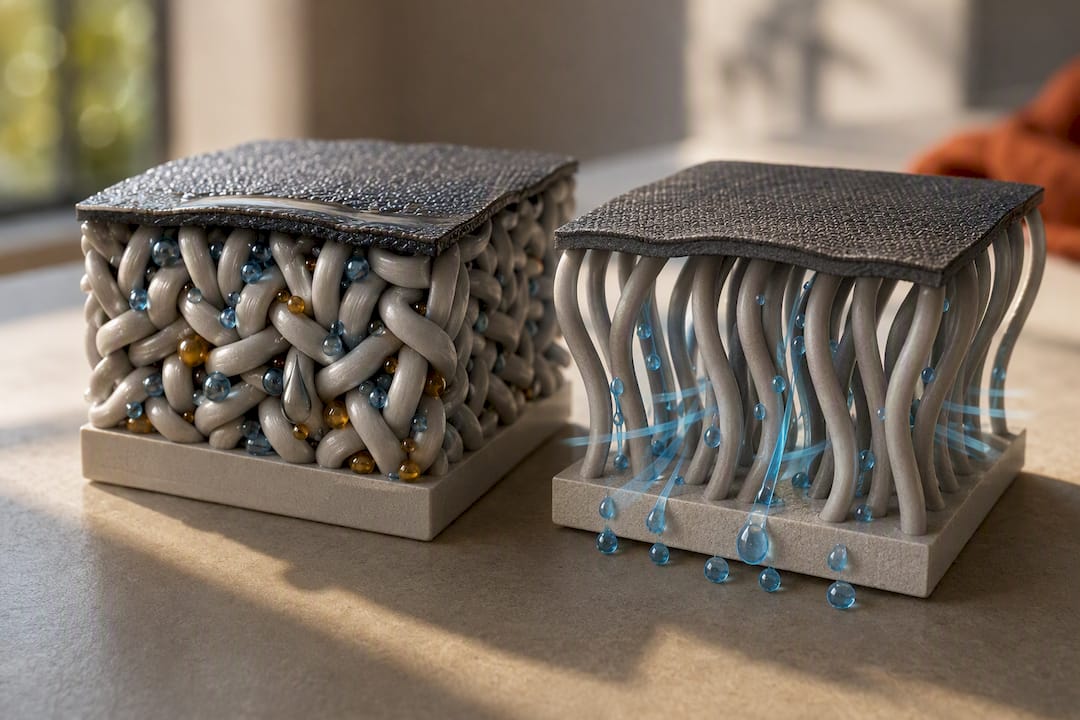
We think about apparel the way we think about a well-designed room: fewer things that trap dirt, more materials that age well with basic care. When you’re shopping for performance fitness gear, look for clear care codes, minimal fabric coatings, and fiber blends labeled machine-washable on cold. A reliable sportswear fit guide is also worth a look before you buy, since a garment that fits properly moves less against skin and sweats through less unevenly.
Good laundry habits and good materials work together. Neither one fixes the problem alone.
— Brian Dunn, Couch & Dumbbells
Shop Activewear Built for Easy Cold-Wash Care
Some fitness apparel is designed around exactly the routine this guide walks through: cold-wash-friendly fabrics, minimal coatings, and clear care instructions on every tag, so you’re not guessing how to treat a new pair of leggings.

Our hip fitness pants and men’s fitness pants are built from performance fabric that holds its stretch through repeated cold washes, so you spend less time fighting odor and less money replacing leggings that gave out after a season. Browse the full fitness and gear collection to find pieces that pair with the wash routine you just learned, and pick up a piece that’s ready for your next workout and an easy trip through the laundry.
Sources
- Workout clothes stink. Here’s how to clean them. | Wirecutter
- How to Wash Your Workout Clothes | Runner’s World
- Maytag product help: clothing has white residue
- How to wash workout clothes and combat sweat smells | Maytag
FAQ
Is it okay to wash gym clothes with regular clothes?
Wash synthetic activewear separately from cotton, denim, and towels. Zippers and rough fabrics can snag delicate wicking material, and cotton sheds lint that clings to synthetic fibers.
How many times can I wear my gym clothes before washing them?
A light, sweat-free session might let you wear leggings or a top twice, but anything with visible sweat or odor should be washed after one wear to stop bacteria from setting into the fabric.
How do you get sweat smell out of gym clothes?
Soak smelly items in a 1:4 white vinegar and water solution for 20 to 30 minutes, then wash cold on the gentle cycle with a measured amount of detergent and skip the fabric softener.
Should workout clothes go in the dryer?
Air-drying is better for anything with elastane or wicking fabric, since dryer heat breaks down stretch fibers over time. If you must use a dryer, choose the lowest heat or an air-fluff setting.