

For most patios, a weather-resistant, ventilated deck box or breathable cushion bag protects cushions best, but only after they’re fully clean and dry. The right choice depends on how often you use your space, how much storage room you have, and how big your cushions are. Skip the drying step and you’re setting up mildew no matter how good the box is.
TL;DR:
- Using a weather-resistant, ventilated deck box or breathable cushion bag requires cushions to be fully clean and dry to prevent mildew growth.
- Resin deck boxes are the most weatherproof and low-maintenance option for storing multiple cushions, but larger sizes can take up significant deck space.
- Proper cleaning involves vacuuming, stain treatment, and thorough drying, especially avoiding moisture inside foam to prevent mold and mildew.
- Placement of storage in a shaded, ventilated, and elevated spot with periodic lid cracking and moisture absorbers reduces internal humidity and moisture issues.
- Organizing cushions by set, labeling, and storing frequently used pieces at the top simplifies access and encourages consistent storage habits.
Table of Contents
- What Are the Best Types of Outdoor Cushion Storage?
- How Do I Choose the Right Cushion Storage Size and Material?
- How Do You Clean and Dry Cushions Before Storing Them?
- Where Should You Place Storage for Best Ventilation and Moisture Control?
- What Is the Best Seasonal Storage Checklist for Cushions?
- How Do You Fix Mildew, Odors, and Stains on Stored Cushions?
- How Do You Keep Pests and Insects Out of Cushion Storage?
- Should You Use a Waterproof Cover or Liner Inside Storage Units?
- How Can You Organize Storage for Quick Access to Cushions?
- Why Storage Should Protect Cushions Without Ruining Your Patio’s Look
- How Couchanddumbells Makes Cushion Storage Effortless
- Sources
- FAQ
What Are the Best Types of Outdoor Cushion Storage?
Picking the right container matters more than most people think. Each option trades off differently between weatherproofing, cost, and how much space it eats up on your patio.
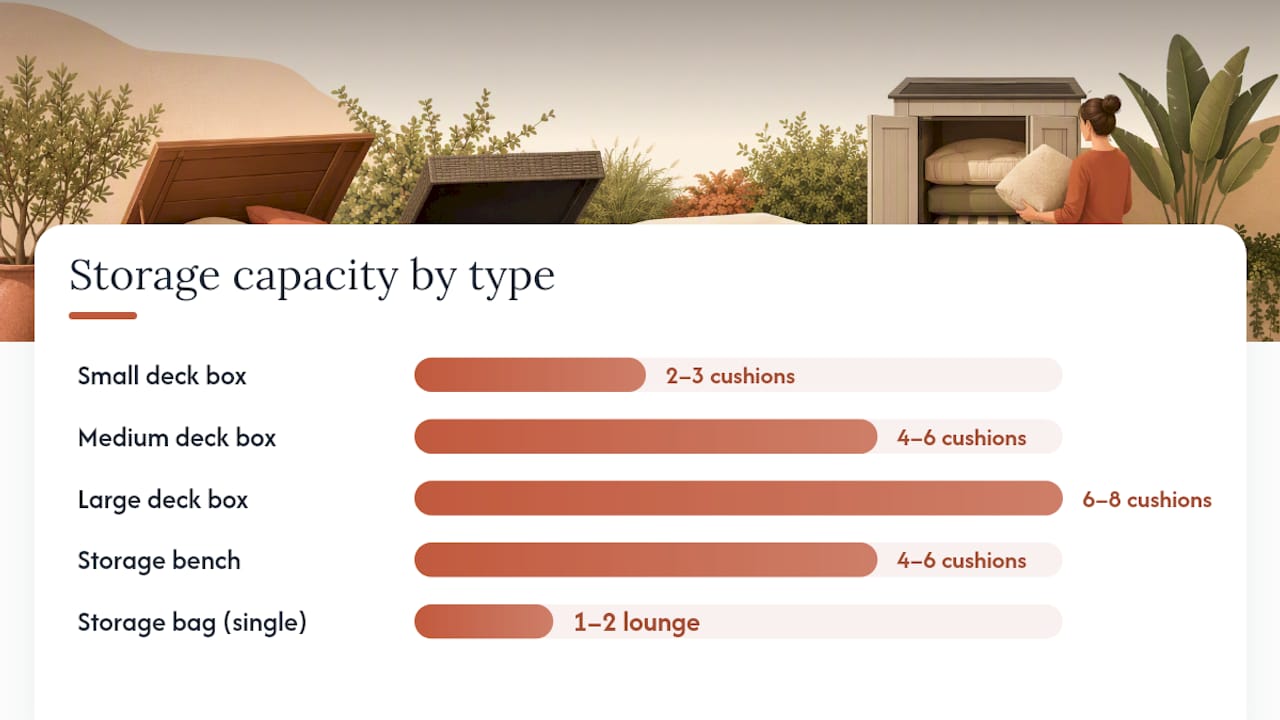
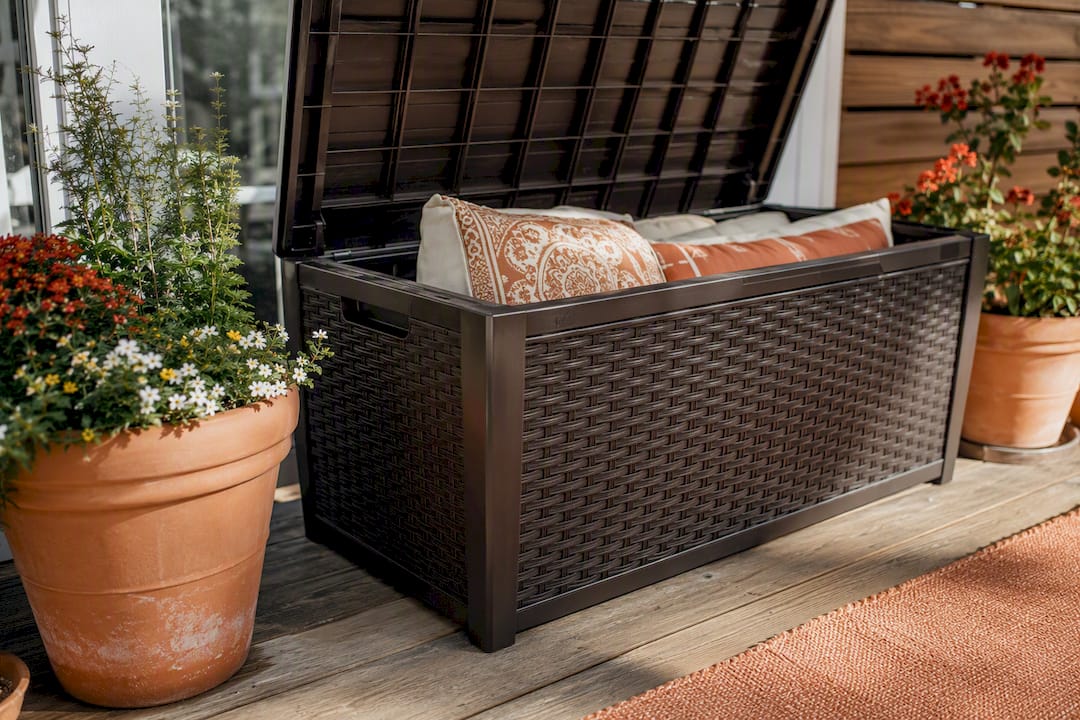
Deck boxes and resin storage chests are the default for a reason. Resin and plastic deck boxes resist weather, often lock, and require almost no upkeep, which makes them the low-effort choice for anyone who wants to store cushions without babysitting them through every rainstorm. A mid-size deck box typically holds four to six standard seat cushions or two to three larger lounge cushions, and larger models handle a full sectional’s worth of pillows plus a couple of throw blankets. The trade-off is footprint. A 100-gallon box takes up real deck space, so measure before you buy.
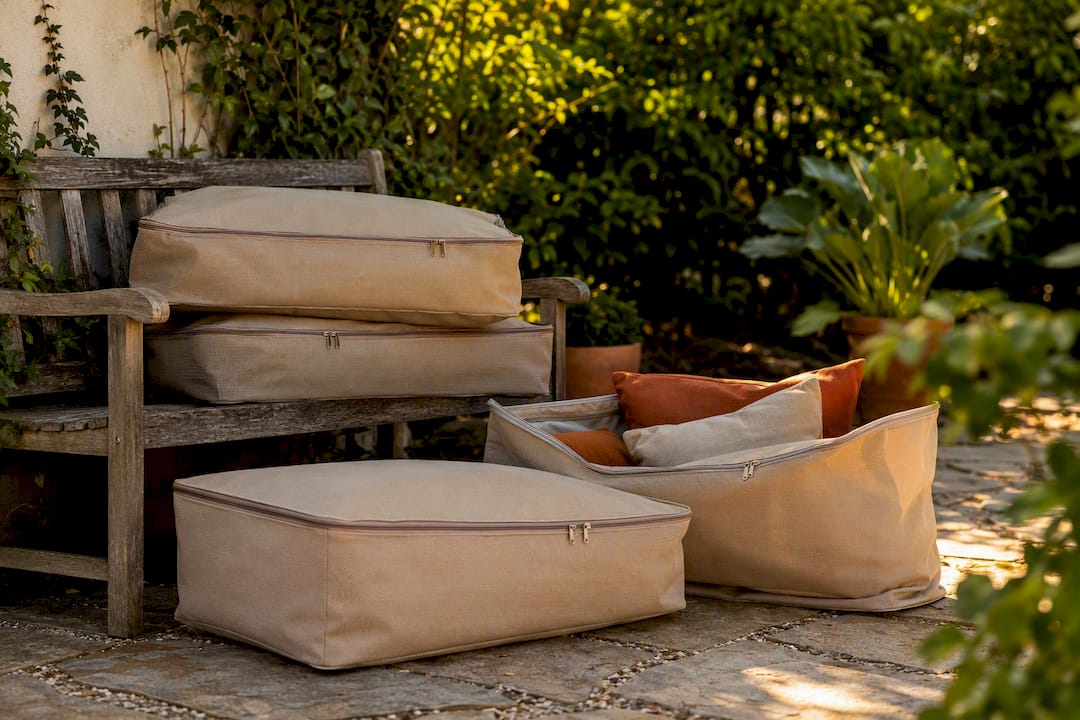
Breathable storage bags solve the space problem. These zip-up, often vented bags fold flat when empty and tuck into a garage corner or under a bench during the off-season. They’re portable, cheap relative to a hard box, and easy to carry if you’re moving cushions in and out for a party or a storm warning. The catch: bags with covered vents and taped seams resist water well but aren’t fully waterproof, so a bag left out during a driving rainstorm can still let moisture through. Treat them as a supplement to shelter, not a replacement for it.
Storage benches and chests double as seating and storage, which is smart if patio space is tight. A bench that seats two and holds a winter’s worth of cushions underneath solves two problems with one purchase, and it looks like furniture instead of a plastic tub parked in the corner. Capacity runs smaller than a dedicated deck box, usually enough for four to six cushions, so it suits smaller households better than a family with a full outdoor sectional.
Sheds and indoor off-season storage make sense in specific situations: extreme winters where deck boxes might crack or warp under snow load, coastal properties where salt air accelerates wear on plastics and metals faster than usual, or simply having garage or basement space that would otherwise sit empty. Moving cushions indoors for four to five months of true off-season isn’t overkill if you already have the room.
Here’s a quick reference for typical capacity by storage type:
- Small deck box (30 to 50 gallons): two to three seat cushions or one loveseat cushion set
- Medium deck box (60 to 90 gallons): four to six seat cushions plus a couple of throw pillows
- Large deck box (100+ gallons): a full sectional set, six to eight cushions, or a mix of seat and back cushions
- Storage bench: four to six seat cushions, better for apartment patios or small decks
- Storage bag (single): one to two lounge cushions or three to four smaller seat cushions
How Do I Choose the Right Cushion Storage Size and Material?
Measure before you shop. Lay your largest cushion flat and record length, width, and thickness in inches. Multiply those three numbers to get cubic inches, then convert to gallons if you’re comparing against a box’s rated capacity (one gallon equals roughly 231 cubic inches).
Material choice changes everything about how the box performs over time.
- Resin and plastic: UV-stabilized resin holds up best against sun exposure without fading or going brittle, and it’s naturally waterproof rather than just water-resistant. Cost runs low to moderate, and it’s the material used in most big-box retail deck boxes.
- Metal: Powder-coated steel or aluminum chests look sharp and resist pests better than plastic, but uncoated seams can rust in humid climates. Check for a rust-resistant finish before buying.
- Wicker (synthetic): All-weather PE wicker boxes match a lot of patio furniture sets aesthetically, but the woven texture can trap water in the weave if not sealed with a liner underneath.
- Fabric bags: Lightest and most portable option, best for renters or anyone storing cushions seasonally rather than year-round, with the water-resistance limits already noted above.
Ventilation deserves its own line item. A sealed box with no airflow traps humidity every time cushions go in slightly warm from sun exposure, and that trapped moisture is exactly what feeds mildew. Look for boxes with vent slots or ventilation windows, since some models build this in specifically for cushion storage. Budget expectations track with size and material: expect to pay more for a large resin box with a lockable lid than for a basic bag, but the box will likely outlast three or four bags over its lifespan.
Pro Tip: Buy one size up from what your current cushions need. You’ll almost always add a throw pillow, a seat pad, or a new cushion set within a year or two, and an undersized box means starting the search all over again.
How Do You Clean and Dry Cushions Before Storing Them?
Cushions go into storage clean or they come out ruined. That’s the single rule that matters most here, because storing cushions while they’re even slightly damp is a leading cause of the mildew that ruins fabric and foam for good, according to Lowe’s cushion care guidance.
Start with a dry run: vacuum both sides of each cushion to lift loose dirt, pollen, and grit before any liquid touches the fabric. Spot-treat visible stains first, and remove any machine-washable covers so they can be laundered separately according to their care tag.
For the deeper clean, a simple recipe works for most polyester and solution-dyed acrylic fabrics:
- Mix a few drops of dish soap into a bucket of warm water and scrub with a soft brush
- Rinse thoroughly with a garden hose, working from the top down
- For mildew spots, follow with a diluted white vinegar rinse instead of scrubbing harder
- Reserve bleach solutions for solution-dyed fabrics only, and always test a hidden corner first, since printed polyester tends to fade or discolor with bleach in ways solution-dyed acrylic usually doesn’t
If you’re using a pressure washer, keep it on a moderate setting and hold the nozzle at a safe distance from the fabric. Too much pressure tears at fabric fibers and can shred the weave faster than years of normal sun exposure would. Skip the pressure washer entirely on delicate or already-worn cushions; hand washing is slower but far gentler.
Drying is where most people rush and pay for it later. Set cushions on edge in direct sun and rotate them every few hours so both sides get airflow. Press into the foam core with your palm. If you feel any coolness or dampness at all, it needs more time, sometimes a full 48 hours in humid climates. A cushion that feels dry on the surface can still be wet three inches into the foam, and that hidden moisture is what breeds mildew weeks later inside a sealed box.
Once bone dry, a light application of fabric protectant spray adds a fresh layer of water resistance before storage. Pack cushions loosely rather than compressing them tightly. Airflow between layers matters even inside the storage container itself.
Where Should You Place Storage for Best Ventilation and Moisture Control?
Where you put your storage box matters almost as much as what’s inside it. A sealed container in direct, blazing sun can build up condensation inside as temperatures swing between hot afternoons and cool nights, which defeats the purpose of a dry, clean cushion in the first place.
Aim for shaded placement against a wall or under an eave, elevated slightly off the ground on feet or a small platform rather than sitting flush against wet concrete or grass. Keep storage away from sprinkler lines and roof runoff paths. A box positioned right where gutter overflow lands during a storm will soak through seams over time no matter how well-built the lid is.
A few habits keep moisture from building up inside the box itself:
- Crack the lid open for an hour every few weeks during storage, especially after humid stretches
- Toss in a few silica gel packets or a moisture-absorbing bag rated for enclosed spaces
- Choose boxes with built-in vent slots over fully sealed designs whenever possible
- Use a breathable liner or cover inside metal or wicker boxes to add a layer of separation from condensation
Pro Tip: If your region gets genuinely cold, wet winters, garage or attic storage beats leaving even a good deck box outside. Freeze-thaw cycles stress plastic seams and hinges over years, and an unheated but covered garage corner protects cushions from both moisture and temperature swings.
What Is the Best Seasonal Storage Checklist for Cushions?
A simple routine, followed twice a year, prevents almost every storage problem covered so far. Here’s the order that works:
- Clean every cushion using the soap-and-water or vinegar method described earlier, treating any visible stains first.
- Dry completely, checking foam cores for hidden dampness before moving to the next step.
- Treat with a fabric protectant spray once fully dry, giving it time to cure per the product label.
- Pack loosely into your deck box, bag, or bench, avoiding tight compression that blocks airflow.
- Label by cushion set or location if you’re storing multiple sets, so spring setup takes minutes instead of an hour of guessing.
- Store in a shaded, elevated, ventilated spot as covered above.
Between deep cleans, a mid-season check after any heavy storm or extended humid stretch catches problems early. Open the box, feel for dampness, and air cushions out for a few hours if anything feels off. This five-minute habit after a big weather event is often the difference between catching a mildew spot early and finding a ruined cushion in October.
Cleaning experts generally recommend a deep clean twice a year, once before winter storage and once before the first heavy use of spring, with spot checks on a monthly basis during peak summer use. That schedule keeps cushions in rotation looking fresh without turning cushion care into a weekly chore.
How Do You Fix Mildew, Odors, and Stains on Stored Cushions?
Mildew shows up as dark spots or a musty smell, usually near seams or in low spots where moisture pooled. For colorfast fabrics, a diluted bleach solution (about one part bleach to ten parts water) applied with a soft brush, then rinsed and air-dried in full sun, handles most cases. For fabrics you’re not sure about, a white vinegar and water mix is gentler and still effective against light mildew.
Oil and sunscreen stains respond well to a pretreatment of dish soap worked directly into the stain before the full wash. Let it sit for ten minutes before rinsing. These stains set faster in heat, so treat them the same day if possible rather than letting a sunscreen mark bake into the fabric over a weekend.
For odors without visible mildew, a few low-effort fixes usually do it:
- Set cushions in direct sunlight for several hours; UV exposure naturally kills a lot of odor-causing bacteria
- Sprinkle baking soda over the fabric, let it sit for an hour, then vacuum it off
- Air cushions outside the storage box for a full day before packing them away again
Know when it’s time to replace rather than repair. If foam has gone soft, crumbly, or compressed in one spot and doesn’t spring back after fluffing, that’s structural, not a stain problem. Seams that have pulled apart or fabric that’s gone brittle and cracks when folded also signal the end of a cushion’s useful life, typically after four to six years of regular outdoor use even with good care.
How Do You Keep Pests and Insects Out of Cushion Storage?
Storage boxes make appealing shelter for spiders, ants, and the occasional mouse looking for a warm, dry spot over winter, especially if cushions inside still carry crumbs, sunscreen residue, or food odors from summer use.
Clean cushions thoroughly before storing, since food and drink residue is what actually attracts pests in the first place, not the fabric itself. A cushion that’s spotless going in gives insects no reason to move in.
Choose a storage box with a tight-fitting lid and intact seals. Gaps around hinges or a warped lid are exactly where ants and spiders find their way inside. If your deck box has developed a gap over time, a strip of weatherstripping around the rim closes it off cheaply.
A few sachets of cedar chips or a natural pest deterrent placed inside the box add a layer of protection without introducing harsh chemicals near fabric you’ll be sitting on again in a few months. Avoid mothballs directly against cushion fabric. They can leave a lingering chemical smell that’s hard to wash out.
Check stored cushions once a month if pests are a known issue in your area, particularly in garages or sheds where mice are more likely to nest. Catching an early nest before cushions go back into rotation saves you from finding chewed foam or fabric come spring.
Should You Use a Waterproof Cover or Liner Inside Storage Units?
Adding a waterproof liner inside your deck box or bench is one of the cheapest upgrades you can make, and it solves a problem that a lot of otherwise solid storage containers still have: seams and hinges that aren’t perfectly sealed.
A heavy-duty plastic liner or a repurposed contractor bag lining the inside of a resin box adds a second barrier against any water that finds its way past the lid during a sideways rainstorm. This matters most for wicker and metal boxes, where woven gaps or seam lines are more likely to let moisture through than a molded one-piece resin box.
For breathable storage bags, a waterproof cover thrown over the bag during storage bridges the gap between the bag’s water resistance and true waterproofing, especially useful if the bag has to sit outside rather than in a garage. Just don’t leave the cover on so tightly that it blocks the bag’s own ventilation. The goal is blocking rain while still letting trapped humidity escape.
One caution: a fully sealed waterproof liner with zero ventilation can trap the very moisture you’re trying to keep out, especially if a cushion goes in even slightly damp. Pair any liner with the airing habits covered earlier, cracking the lid periodically, so you get water protection without creating a sealed, humid pocket that breeds mildew from the inside.
How Can You Organize Storage for Quick Access to Cushions?
Storage that’s hard to dig through gets used less carefully over time, and cushions end up shoved in wherever they fit. A little organization up front saves real time every time you pull cushions out for a weekend gathering.
Sort cushions by set or by furniture piece before packing, keeping matching seat and back cushions together rather than mixing everything into one pile. Labeling helps here too, whether that’s a simple tag on the box lid or cushions bagged individually by set inside a larger chest.
Store the cushions you use most often near the top or front of the box, and reserve the back or bottom for pieces you swap in seasonally, like heavier winter throw pillows or rarely used guest seating. If you’re using multiple storage bags rather than one large box, color-coding or labeling each bag by furniture set turns a five-minute search into a ten-second grab.
A bench-style storage unit doubling as seating naturally solves some of this, since the lid lifts right where you need the cushions, on the patio itself, rather than requiring a trip to a shed across the yard. That proximity alone makes people more likely to actually put cushions away instead of leaving them out to fade or get rained on.
Why Storage Should Protect Cushions Without Ruining Your Patio’s Look
Most storage advice treats deck boxes as purely functional, something to hide behind a plant or tuck around a corner. That’s a mistake. Design-forward storage, pieces that actually match your patio furniture rather than looking like an afterthought from a hardware store, gets used more consistently, because people are far more likely to put cushions away properly when the storage itself doesn’t feel like clutter.
Couchanddumbells builds its outdoor collections with this in mind, pairing furniture sets with storage-friendly pieces that blend into the space rather than sitting apart from it. A storage bench that matches your sofa’s finish gets used every single evening; a mismatched plastic tub gets ignored until cushions are already ruined.
If you’re weighing a new bench or storage unit, look at how it integrates with your existing seating, not just its gallon capacity. A small patio furniture setup benefits enormously from dual-purpose pieces, since square footage is already tight and every item needs to earn its place twice over.
— Brian Dunn, Couch & Dumbbells
How Couchanddumbells Makes Cushion Storage Effortless
Buying furniture and storage separately usually means mismatched finishes and a corner of your patio that never quite looks finished. Couchanddumbells solves that by building outdoor sets where the seating, the cushions, and the storage-friendly pieces are designed together from the start, so you’re not hunting for a deck box that happens to match your sofa’s weave.

If you’re outfitting a full patio, the outdoor furniture set collection includes pieces sized for real-world decks, with cushions built from weather-resistant fabric that holds up to the cleaning routine covered above. For smaller spaces or apartment balconies, the outdoor sofa lineup offers a bench-adjacent profile that pairs naturally with under-seat storage. Shop the outdoor furniture set collection now to find a piece that keeps your cushions protected and your patio looking pulled together from day one.
Sources
- How to Choose the Right Size Deck Box - Keter US
- The Best Way to Clean Outdoor Cushions and Patio Furniture - Lowe’s
- Water-Resistant Outdoor Cushion Storage Bags | The Company Store
FAQ
What Is the Best Way to Store Outdoor Cushions?
The best approach combines a weather-resistant, ventilated deck box or breathable storage bag with cushions that are completely clean and dry before they go in. Skipping either half of that equation, the right container or the drying step, is what leads to mildew.
How Do You Store Garden Cushions Between Uses?
For short-term storage between uses, a covered storage bench or a lidded deck box near your seating area works best, since it keeps cushions dry and out of direct sun without requiring a full cleaning cycle each time. Save the deep clean and dry-down for end-of-season storage.
Do You Need to Store Patio Cushions When Not in Use?
Yes, storing cushions when they’re not in use extends their lifespan significantly by protecting them from UV fading, rain, and dust that accelerate fabric breakdown. Even a simple bench with under-seat storage makes a noticeable difference over a single season compared to leaving cushions out year-round.
What Material Is Best for Outdoor Cushion Storage?
UV-stabilized resin is generally the strongest all-around choice, since it’s naturally waterproof, resists fading, and needs little maintenance compared to metal or wicker. Breathable fabric bags are a solid lightweight alternative for portability, though they’re water-resistant rather than fully waterproof in heavy rain.
How Often Should You Deep Clean Outdoor Cushions?
Most care guides recommend deep cleaning cushions twice a year, once before winter storage and once before the first heavy use of spring, with spot cleaning as needed in between.