

Most furniture orders in 2026 land somewhere between 2 and 20 weeks depending on what you’re buying, so the smartest move is simple: find your longest-lead item, add a buffer, and plan around that date. Stock pieces move fastest. Custom upholstery, case goods, and millwork take longer. Always confirm the current lead time with the seller when you place your order, not when the piece was first listed.
TL;DR:
- Longer-lead items like custom upholstery and millwork can take up to 16 and 24 weeks respectively, so plan well in advance, especially for complex projects.
- Actual lead times are affected by material shortages, factory batching, shipping delays, and customer-driven changes, making timing unpredictable at times.
- To meet a specific install date, identify your slowest item, add a 4 to 6-week buffer, and schedule custom orders early with backup options if possible.
- Final-mile delivery can add 1 to 3 weeks for scheduling and inspection, so staying flexible and available during delivery improves chances for on-time setup.
- Shopping during off-peak months and choosing stock pieces can significantly shorten delivery times, with in-stock furniture shipping in 2 to 6 weeks.
Table of Contents
- Typical lead-time ranges by furniture category
- What actually affects furniture lead times
- How to plan and schedule your order around an install date
- How final-mile delivery and inspection actually work
- When to buy for the shortest lead times
- How Couch & Dumbbells approaches inventory and lead times
- The one rule that keeps furniture orders on track
- Shop stock pieces and get order-specific timing
- Sources
- FAQ
Typical lead-time ranges by furniture category
Lead times vary widely by category, and knowing the general range helps you set realistic expectations before you fall in love with a piece that won’t arrive for months. According to Procurist’s 2026 lead-time guide, in-stock and ready-made furniture typically ships in 2 to 6 weeks, with select quick-ship SKUs moving in about 2 weeks, though those options come with fewer fabric and finish choices.

Custom upholstery takes considerably longer. Procurist’s guide indicates domestic custom upholstery typically takes a few months, and that window can stretch further if you’re supplying your own material, since customer-supplied fabric, often called COM, has to arrive at the factory before production can even begin.
Case goods, meaning dressers, tables, and casegood storage pieces, generally take several months, with custom finishes or hardware adding extra time on top. Millwork and built-in cabinetry typically take longer, often several months depending on how complex the design is. Rugs, especially hand-knotted styles, can take 12 to 24 weeks or more, and European imports carry their own timeline pressure, frequently totaling 12 to 24-plus weeks once shipping is factored in, per Procurist’s guide.
| Category | Typical lead time |
|---|---|
| Stock or ready-made | 2 to 6 weeks |
| Quick-ship SKUs | About 2 weeks |
| Custom upholstery (domestic) | 8 to 16 weeks |
| Case goods | 8 to 16 weeks |
| Millwork and cabinetry | 12 to 24 weeks |
| Rugs (including hand-knotted) | 6 to 24 weeks |
| European imports | 12 to 24-plus weeks |
What actually affects furniture lead times
Lead times aren’t arbitrary. They reflect a chain of real constraints, some of which you can influence and some you can’t.
- Material availability: foam, hardwood, and specialty metals can run short, especially for niche finishes or rare upholstery.
- Factory throughput: most manufacturers batch orders, so your piece may wait in a production queue before work even starts.
- Shipping mode: ocean freight, trucking capacity, and regional transit congestion all add variability, particularly for imported goods, as explained in this playbook that actually cuts delivery time.
- Customer-driven delays: slow approvals, late design changes, or COM fabric that ships late can add weeks to an otherwise on-schedule order.
- Specialty finishes: hand-applied stains, rare veneers, or custom metalwork require extra production steps that stock items skip entirely.
Smith-Leonard’s industry reporting backs up why this feels unpredictable year to year. The March 2026 Furniture Insights report noted shipments down 7% from the prior year alongside slightly higher inventories, a sign that supply and demand are shifting in different directions depending on the month you order.
How to plan and schedule your order around an install date
If you have a date you need furniture in place, whether that’s a move-in day or a room refresh deadline, work backward from it using your slowest item as the anchor point.
- Identify your critical path item. Whatever has the longest quoted lead time sets the pace for the entire order; everything else should be scheduled around it.
- Add a buffer. Procurist’s guide recommends adding 4 to 6 weeks on top of the quoted lead time for your longest-lead piece, since quoted ranges rarely account for final-mile scheduling or unexpected delays.
- Stagger your ordering. Place custom or long-lead orders first and save stock items, which ship faster, for later in your planning window.
- Ask about pre-approved alternates. For anything quoted beyond 16 weeks, request a backup option in case the primary choice slips further.
- Confirm the details before you commit. Ask about the ship date, whether the order will arrive in partial shipments, and what final-mile delivery window to expect.
For larger residential projects involving several long-lead pieces, Procurist suggests planning 6 months or more from order to install, while hospitality projects often need 12 to 18-plus months given the scale and number of custom items involved.
Pro Tip: Order your slowest item the same week you finalize the design, even if you’re still deciding on smaller pieces. That single step protects your install date more than anything else on this list.
How final-mile delivery and inspection actually work
Once a piece finishes production, it still has to travel through a regional hub and get scheduled for a final-mile delivery appointment, and this last stretch is often where timelines slip the most.
- Production and transit: your item ships from the factory to a regional hub, which can take days to weeks depending on distance and carrier capacity.
- Final-mile scheduling: once it reaches your area, booking an actual delivery appointment can add another 1 to 3 weeks, especially during busy periods.
- Inspection on arrival: photograph the piece before signing for it, note any visible damage on the delivery slip, and keep the original packing material until you’ve confirmed everything is intact.
- White-glove service: this can speed up placement and assembly, but it may also add scheduling time upfront since it requires coordinating a two-person crew around your availability.
Pro Tip: Keep your phone handy during the week of your delivery window. Final-mile carriers often call with short notice, and missing that call can push your appointment back several more days.
When to buy for the shortest lead times
Timing your purchase around the industry’s natural rhythm can shave real weeks off your wait. Early in the year and again in the months leading into the holidays tend to be the busiest production windows, since factories are running at capacity and backlogs climb. Smith-Leonard’s August 2026 report noted new orders up 4% year-to-date with rising backlogs, a pattern that tends to stretch lead times across the board.
- Major sale events can also deplete in-stock inventory quickly, pushing shoppers toward custom options with longer waits.
- Quick-ship SKUs are typically easiest to find during off-peak months, when factories have more open production capacity.
- If your timeline is flexible, ordering a few weeks ahead of a known peak season gives you a real cushion.
How Couch & Dumbbells approaches inventory and lead times
At Couch & Dumbbells, we built our curated home and interior collection with realistic timing in mind, pairing thoughtfully selected pieces with clear availability information at checkout. Product pages often reflect current ship windows to help manage expectations, with support teams available to confirm order-specific timing. It is recommended to consider buffers and pre-approved alternates for items with longer production windows to avoid delays impacting project timelines.

The one rule that keeps furniture orders on track
If you take one thing from everything above, make it this: find your slowest item, add a buffer, and build your schedule around that number. When a quoted date slips or you need a faster alternative, reach out to customer support early rather than waiting until your install date is at risk. Product pages and a quick message to support will tell you more about your specific order than any general guide ever can.
— Brian Dunn, Couch & Dumbbells
Shop stock pieces and get order-specific timing
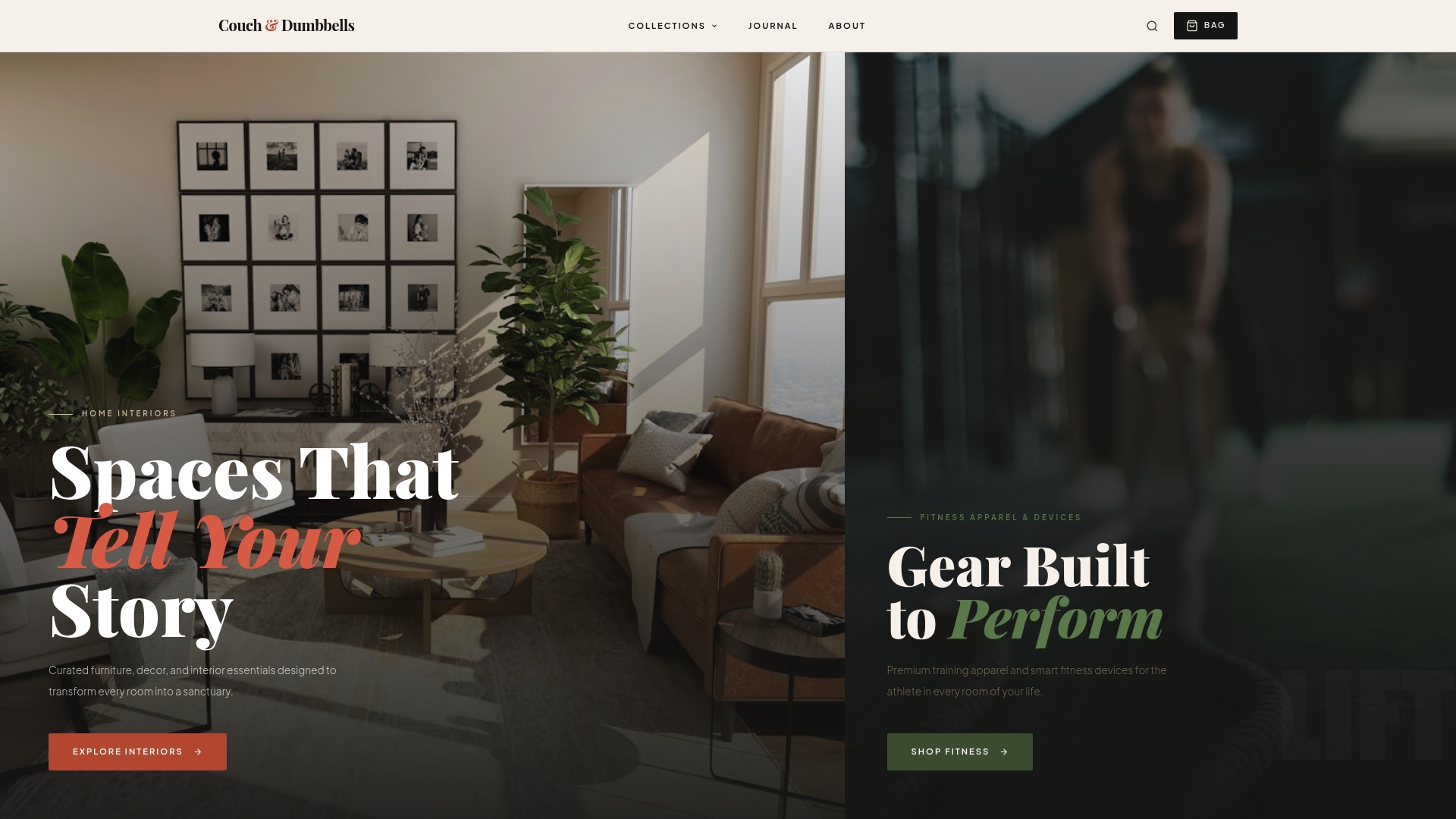
Building a home that supports both rest and movement works best when you’re not stuck waiting months for the pieces that tie it together. Couch & Dumbbells carries curated home and interior picks alongside performance apparel and gear, so you can furnish a room and refresh your workout setup without juggling a dozen vendors.
- Browse our outdoor furniture sets and patio wicker collections for pieces with clearer, shorter timelines.
- Check product pages for current ship windows before ordering.
- Contact support teams for order-specific ETAs or information on alternates for longer-lead items.
Visit Couch & Dumbbells to shop current stock and get real answers on timing before you buy.
Sources
FAQ
What is the average lead time for furniture delivery?
Stock furniture typically ships in 2 to 6 weeks, while custom upholstery generally takes 8 to 16 weeks. Case goods and millwork can run longer, so it’s worth checking the specific category before you set expectations.
What month is the best month to buy furniture?
Off-peak months, outside the early-year and pre-holiday production rushes, tend to offer shorter waits and more quick-ship availability. Ordering a few weeks ahead of those busier windows gives you extra cushion if backlogs climb.
What furniture is in high demand right now?
Demand has shifted toward pieces that support flexible, multi-use living spaces, including furniture that blends well with home fitness setups. Outdoor and patio furniture also sees strong seasonal demand heading into warmer months.
What is the biggest furniture sale day of the year?
Major retail sale events throughout the year, particularly around the winter holiday season, are typically the busiest for furniture purchases. These events can deplete in-stock inventory quickly, which is why checking current availability before you buy matters more during those windows.
How much buffer should I add to a quoted furniture lead time?
A common planning rule is to add 4 to 6 weeks beyond the quoted lead time for your longest-lead item. This accounts for final-mile scheduling and the kind of delays that rarely show up in the original quote.